
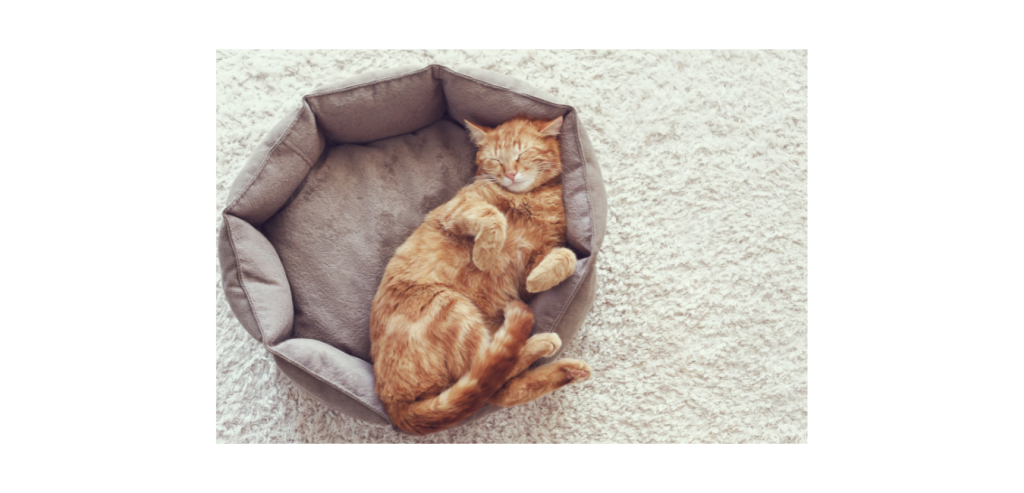
What is purring? And how can you tell what your cat is feeling?
There’s something magical about the soft, rhythmic rumble of a cat’s purr. Whether your cat is nestled on your lap or curling up next to you on the sofa, their purring has a way of calming the mind and soothing the soul. If you’re like most cat parents, it might even lull you into a peaceful nap.
But have you ever wondered—do cats only purr when they’re happy and relaxed? Can you always assume that a purring cat is a content cat? Surprisingly, there’s a lot more to this familiar feline sound than meets the ear. Let’s dive into the fascinating world of purring and uncover its many secrets.
What Is a Purr?
Although we’re all familiar with the sound, the science of purring is still a bit of a mystery. At its core, purring is both a sound and a vibration. Scientists believe that a “neural oscillator” in the cat’s brain sends signals to the muscles in their larynx (voice box), causing them to rapidly contract and relax. As the cat breathes in and out, the air vibrates through their throat, producing that signature hum.
But here’s a fun fact—not all cats purr! Domestic cats and some wild species, like cheetahs, are purrers. Big cats like lions and tigers, however, are part of the “roaring” category, and they’re unable to purr. In essence, cats that purr don’t roar, and those that roar don’t purr. Isn’t nature fascinating?
Why Do Cats Purr? The Many Reasons Behind the Rumble
Cats are complex creatures, and their purring is no exception. While it’s tempting to assume that a purring cat is a happy one, the truth is that cats use this sound to express a variety of emotions and needs. To understand the meaning behind your cat’s purr, consider this formula:
Sound + Body Language + Environmental Context = Meaning
Here are some of the most common reasons cats purr:
- Happiness and Contentment This is the classic “lap-cat” scenario we all know and love. When your cat is curled up with you, kneading their paws, and purring softly, it’s a clear sign they feel safe, happy, and relaxed.
- Hunger or a Desire for Something Ever noticed your cat purring at mealtime or as you open a treat bag? Cats are clever communicators and often combine purring with a specific meow to grab your attention. This “solicitation purr” is their way of saying, “Feed me, please!”
- Mother-Kitten Bond Purring begins as early as a few days after birth. Kittens purr while nursing to signal contentment and to strengthen the bond with their mother. In return, the mother cat purrs to reassure her kittens and guide them to her.
- Self-Soothing and Pain Relief Cats also purr when they’re stressed, injured, or unwell. It’s believed that purring acts as a natural stress-relief mechanism, helping them calm down in difficult situations, such as a trip to the vet. If your cat is purring while hiding or showing signs of discomfort, it might be time to check in with your vet.
- Healing and Physical Benefits Beyond comfort, purring has physiological benefits. The vibrations from purring occur at a frequency (25–150 Hz) that’s thought to promote healing, reduce pain, and even improve bone density. This might explain why cats seem to recover from injuries faster than other animals. Truly, cats are remarkable little healers!
Does Purring Benefit Humans Too?
It’s not just cats who benefit from purring—you do too! Studies show that having a purring cat nearby can have a soothing effect on humans. Here’s how:
- Stress Relief: The calming sound of a cat’s purr can help lower blood pressure and reduce anxiety. It’s like having a little wellness guru with fur!
- Healing by Association: Spending time with a purring cat encourages relaxation and can even improve your mood. It’s no wonder cats are often described as therapeutic companions.
So, the next time your cat curls up next to you and starts purring, take a moment to enjoy the calming benefits. It’s good for both of you!
How to Decode Your Cat’s Purr
Every cat is unique, and as a cat parent, you’re the best person to understand your kitty’s purring. Pay attention to these clues:
- Body Language: Are they kneading you with their paws, rubbing against you, or stretching out? That’s a happy purr. Are they hiding or cowering? They might be stressed or unwell.
- Environment: Is it their usual cuddle time, or are you heading to the vet? Context matters when interpreting their purring.
By tuning into these cues, you’ll get better at recognizing your cat’s needs and emotions.
Final Thoughts
Purring is one of the many ways cats communicate with us, and it’s a fascinating reminder of the special bond we share with them. Whether your cat is snuggling in your lap or using their purrs as a superpower to heal, each rumble tells its own story.
If you ever notice a change in your cat’s purring or behavior—such as increased frequency, unusual sounds, or purring paired with signs of distress—don’t hesitate to reach out to a qualified professional. Your kitty’s health and happiness are worth every bit of attention.