
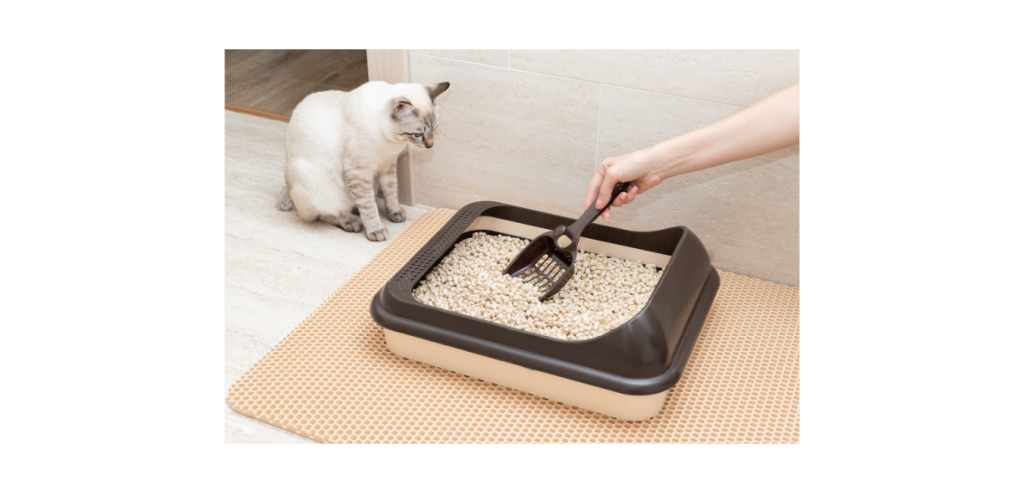
Litter box troubles—it’s a topic many cat parents are all too familiar with. Few things are as frustrating as finding a “surprise” outside the litter box, but rest assured, you’re not alone. Litter box avoidance is one of the most common challenges for cat owners, and the good news is that with a little detective work, it’s often solvable.
Let’s explore why this behavior happens and how to tackle it, step by step, so both you and your cat can enjoy a stress-free home.
Common Causes of Litter Box Issues
Understanding why your cat is avoiding their litter box is the first step to solving the problem. Cats are sensitive creatures, and even small changes to their environment or routine can lead to litter box woes. Here are the most common culprits:
- Stress or Anxiety Cats thrive on routine, and disruptions to their environment can be stressful. Big changes like moving house, introducing a new pet, or even rearranging furniture can cause your cat to seek a different place to do their business. They might be feeling unsettled or marking their territory.
- Problems with the Litter Box Itself Cats can be surprisingly picky about their litter box setup. Ask yourself:
- Is the box clean? Cats are fastidious and may avoid a dirty box.
- Is the box in a noisy or high-traffic area? Privacy matters! Place the box in a quiet, low-traffic spot where your cat feels safe.
- Is it easy to access? Senior cats or those with mobility issues might struggle with high-sided boxes or boxes placed in hard-to-reach locations.
- Litter Preferences Believe it or not, cats have strong opinions about their litter. Some prefer unscented litter, while others are drawn to specific textures like fine clumping litter. Experiment to find what your cat likes best.
- Medical Problems Health issues are a significant cause of litter box avoidance, and they shouldn’t be overlooked. Painful conditions such as urinary tract infections (UTIs), bladder stones, kidney disease, or arthritis can make using the litter box an unpleasant experience. If your cat is straining, crying, or urinating outside the box, consult a vet immediately.
Solutions to Litter Box Problems
Once you’ve identified the potential cause, it’s time to make some changes. Here’s how to create a litter box setup that your cat will love:
- Keep It Spotless Cats are clean freaks, and they expect their litter box to reflect that. Scoop the box at least once a day and change the litter completely once a week. Add a quick clean to your daily routine, and your cat will thank you.
- Choose the Right Spot Place the litter box in a quiet, private location that’s easily accessible. Avoid loud appliances, busy hallways, or areas where your cat might feel trapped. If you have a multi-story home, consider adding a box on each level.
- Experiment with Litter Cats can be particular about their litter. If your cat is avoiding the box, try switching to a different type of litter—unscented is often a safe choice. Gradually mix in the new litter with the old one to help them adjust.
- Offer Multiple Boxes The general rule is one litter box per cat, plus an extra. This is especially important in multi-cat households where territorial disputes can arise. Place the boxes in separate areas to give each cat their own space.
- Reduce Stress If you suspect stress or anxiety is the issue, try to identify the trigger. Use calming pheromone diffusers (like Feliway) to help soothe your cat. Spend quality time playing and bonding with them to reassure them that they’re safe.
- Vet Check-Up If your cat’s litter box issues persist, don’t wait to consult your vet. Medical problems can be painful and serious, and a vet visit can rule out or address underlying health conditions.
Pro Tips for Long-Term Success
To prevent future litter box problems, it’s essential to maintain a cat-friendly environment. Here are some extra tips to keep in mind:
- Right Size, Right Style: The box should be large enough for your cat to turn around comfortably. Open boxes are often preferred over covered ones, as they provide better airflow and visibility.
- Litter Depth: Most cats prefer about 2–3 inches of litter. Too shallow or too deep, and they might steer clear.
- Gradual Changes: Cats dislike sudden changes. If you need to switch boxes, locations, or litter types, do so gradually over several days to avoid stressing your cat.
When to Call the Vet
Sometimes, litter box avoidance is your cat’s way of signaling that something’s wrong. If you notice any of the following signs, schedule a vet visit:
- Straining or crying while urinating.
- Frequent trips to the litter box with little output.
- Blood in the urine or unusual odors.
- Changes in appetite, behavior, or energy levels.
Your vet can help diagnose and treat any underlying issues, ensuring your cat gets the care they need.
Final Thoughts
Litter box problems can be challenging, but with patience and understanding, they’re usually fixable. By keeping your cat’s litter box clean, accessible, and tailored to their preferences, you can create an environment where they feel comfortable and secure.
Remember, your cat isn’t misbehaving out of spite—they’re simply trying to communicate. With a little effort and observation, you can get to the root of the issue and restore harmony to your home.
If in doubt, always reach out to your vet for guidance. Your cat’s health and happiness are worth it!